Anxiety in Autism

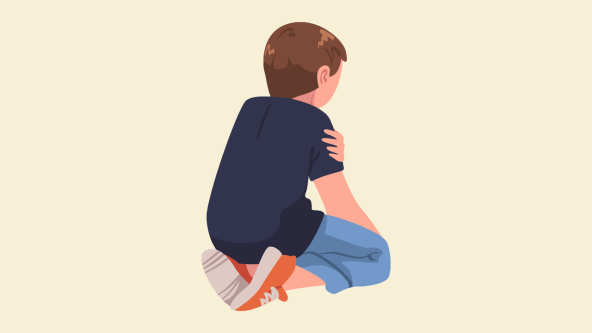
For autistic people, anxiety may be brought on by difficulty negotiating social or sensory situations, being misunderstood, and identifying and managing their emotions. Anxiety has many forms, which impact the individual’s school performance. At an extreme level, it can result in meltdowns or autistic burnout.
The signs of anxiety
Avoiding tasks
Need to have very high levels of control of people, routines, and environment
Obsessive, repetitive, or intrusive thoughts
Meltdowns at the end of the day that last for hours
Emotional dysregulation, eating disorder, or self-harming
Depression
Strategies for working with high levels of anxiety
Identifying situations that lead to anxiety
Talking through any planned changes in advance
Talking about how their body feels when they are anxious, as it is possible that they will not have connected the physical sensation (for example of feeling nauseous) with the emotion of anxiety
Teaching calming strategies — this can be anything from concentrating on breathing to fiddling with a gadget to wearing ear-defenders to block out noise
If something has gone wrong, talking about how it could be different next time and making a plan for it to be different
Asking 'What is the worst thing that can happen?' and then discussing fears, putting them into perspective and context
Try using cards with ‘big deal’ on one side and ‘not a big deal’ on the other — ask the young person to categorise which the issue would be, and then talk through reasons why it might be less of a big deal than they think
Celebrating difference — everyone has things that they find difficult and things that they find easier; build the young person’s confidence and self-esteem so that they believe in themselves and develop their resilience
Talking Mats provides a programme that helps the child identify needs and prioritise things that matter
A high level of anxiety is not unusual in girls with Autism. Read our article, Autism in girls, to learn more.