

 Ages
Ages 


A school with a strong local identity that is highly valued. In recent years the pupil body has become more diverse, both ethnically and culturally and this has been welcomed and encouraged. Its academic reputation continues to be well-deserved and pupils understand that it is effort as well as natural ability, that count. There is a certain amount of pressure to do well, but it is definitely not a hot house. All sorts flourish here, there is not a ‘typical,’ Norwich School pupil, but it's a great fit for those who want to work hard and join in all that school life offers.

Why read our school review?
Unlike other websites, schools can't pay to be included in The Good Schools Guide. This means our review of this school is independent, critical and fair, and written with parents' best interests at heart.
Unlock to access

Overview & data
- Pupil numbers
- 1,194 ·
- Sixth form numbers
- 341 ·
- Religion
- Christian
- Fees
- £15,192 - £24,426 pa
- Local authority
- Norfolk County Council
- School ownership
- Registered Charity Name: King Edward VI Grammar School Norwich

Headteacher
Head
Mr Steffan Griffiths
Since 2011, Steffan Griffiths. Read classics at Oxford and has taught at Tonbridge, Eton and Magdalen College School, Oxford where he was Usher (principal deputy). He also has an OU degree in English. Has the fit, lithe appearance of the sportsman

Entrance
Main entry points are 4+, 7+, 11+, 13+ and 16+. Places sometimes become available in other years but the school is normally full to capacity. All children from age 6+ sit written papers and are interviewed in ways appropriate to their age. For 11+
- Open days
- September, October, March and June

Exit
Very unusual for pupils not to transfer to the seniors. Around 10 per cent leave after GCSEs (mainly for local sixth form colleges or vocational study, the odd one away to board). Majority of sixth formers head for university – Durham, Nottingham,

Latest results
In 2025, 74 per cent 9-7 at GCSE; 52 per cent A*/A at A level (82 per cent A*-B). In 2024, 70 per cent 9-7 at GCSE; 52 per cent A*/A at A level (78 per cent A-B).
A levels or equivalent - Average points score (2024)
What is this?
These figures tell you the average grade and average points that pupils achieved in their academic qualifications. A maximum of 60 points are available for a grade A* at A level.

Teaching & learning
The school’s excellent academic record is the result of, ‘The teaching!’ chorus parents. ‘We can’t praise enough, especially after the pandemic and actually seeing online a bit of what they actually do.’ ‘We are so impressed with the quality of the
- Qualifications taken in 2024
- A level
- GCSE

Learning support & SEN
Numbers vary, but around a hundred pupils have an identifiable need. Help is targeted after pupils have received screening and a detailed assessment. An Individual Education Plan (IEP) is shared with all relevant staff to ensure appropriate

Arts & extracurricular
Music is taught throughout the school, both in class and in individual private lessons and is a popular subject at GCSE and A level. There are choirs, bands and orchestras of every kind that cater for most tastes and ‘musicians are appreciated,’ say

Sport
All the team games, particularly rugby, cricket, hockey and netball are played competitively – the school often holding local and regional trophies. Lots of teams so plenty of opportunity for all levels of skill (or no escape, depending on your

Ethos & heritage
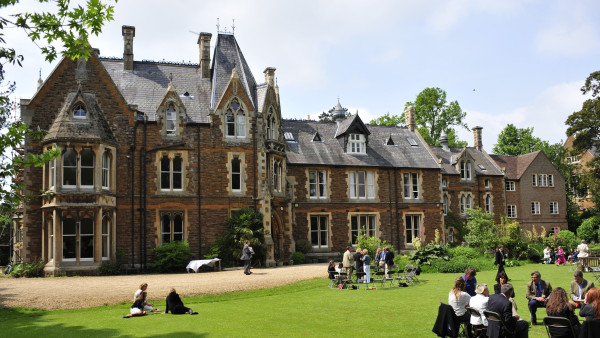
The school traces its origins back to 1096 - the date of the cathedral’s foundation and the Benedictine monastery. Though separate entities, the historical links remain strong and the school cherishes the relationship. The cathedral's boy choristers

Pastoral care, inclusivity & discipline
A well-established system of tutor and house groups ensure pupils have staff close to their daily lives who know them really well. Parents say contact with the school is easy and in addition to online consultations on academic progress, there are

Mobile phone policy
A clear mobile phone policy is a really important part of modern schooling. This school has provided us with their policy.
Mobile phone policy
 Provided by the school and not part of our review
 The school encourages the use of pupil owned devices as a teaching and learning tool. However, the fourth form are not allowed to use their phones during the school day, limiting distractions and encouraging pupils to focus on building 'real world' relationships with their peers. The school recognises that mobile devices are sometimes used by pupils for medical purposes or as an adjustment to assist pupils who have disabilities or special educational needs.

Pupils & parents
A third of pupils come from the city itself, but most travel some distance, up to an hour each way. The station is a pleasant ten minute stroll and, according to one pupil, ‘I love the train journey. I find it relaxing!’ Buses bring some, many are

Money matters
Around ten per cent of pupils receive some kind of bursarial assistance (means tested, occasionally up to 100 per cent), and school is keen to increase this number. Cathedral choristers (boys) have a 50 per cent bursary during their time in the choir
- Fee information
- £15,192 - £24,426 pa

The last word
A school with a strong local identity that is highly valued. In recent years the pupil body has become more diverse, both ethnically and culturally and this has been welcomed and encouraged. Its academic reputation continues to be well-deserved and