

 Ages
Ages 


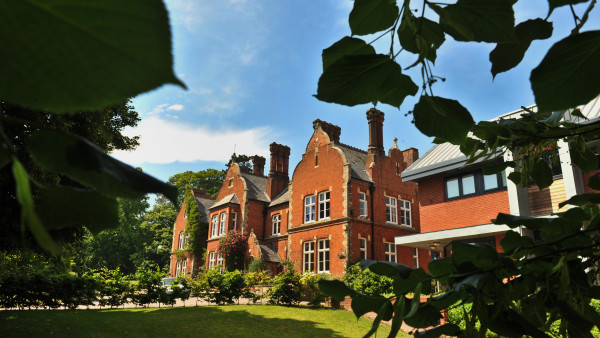
An inspirational head with bundles of energy and a pragmatic approach really does make Thomas Mills ‘a centre of excellence.’ There’s a buzz about the place and it’s one of those schools that has a good feel when you walk in. Every child, be they the star of the show, a quiet deep thinker or quirky, is accepted and allowed to be themselves. A school very much looking to the future for its pupils, well aware of life beyond the school gates.

Why read our school review?
Unlike other websites, schools can't pay to be included in The Good Schools Guide. This means our review of this school is independent, critical and fair, and written with parents' best interests at heart.
Unlock to access

Overview & data
- Pupil numbers
- 1,056 ·
- Sixth form numbers
- 228 ·
- Local authority
- Suffolk County Council

Headteacher
Headteacher
Mr Philip Hurst
Since 2013, Philip Hurst. First degree from Warwick in history and then Cambridge for PGCE. Always knew he wanted to teach: ‘Children are our future, so we need to create a good start for them.’ Most of his career spent in Essex and thought

Entrance
Non-selective with pupils coming from over 30 primary schools. Area covered is larger than London so pupils are scattered far and wide across the county, coming from as far afield as north of Ipswich to south of Lowestoft, coastal towns and up to the
- Open days
- Open Week in September with an Open Evening on the Wednesday. Two information evenings for sixth form, in November.
Entry and exit data - year 7 entry (average 2020-2022)

Exit
Some leave after year 11, attracted by the sixth form college in Ipswich, others to study more vocational subjects. Large majority head to university with Russell Groups popular. Destinations in 2025 included UEA, York, Bristol, Exeter, Edinburgh and
% students progressing to higher education or training (2021 leavers)
What is this?
The proportion of 16-18 students that progressed to degrees, higher apprenticeships or other study at level 4 or above for at least 6 consecutive months in the 2 years after taking advanced level qualifications (level 3) at this school or college.

Latest results
In 2025, 23 per cent 9-7 at GCSE; 72 per cent 9-5 in both maths and English; 20 per cent A*/A at A level (45 per cent A*-B).
GCSE - % of pupils achieving grade 5 or above (A* to C) in English and maths GCSE (2024)
What is this?
This tells you the percentage of pupils who achieved grade 5 or above in English and maths GCSEs.
A levels or equivalent - Average points score (2024)
What is this?
These figures tell you the average grade and average points that pupils achieved in their academic qualifications. A maximum of 60 points are available for a grade A* at A level.

Teaching & learning
Every parent was positive about this, talking about small class sizes, excellent teaching, revision sessions, GCSE choices made in year 9 offering flexibility and a gentle start, as well as noticing slackers and encouraging participation. Teaching
- Qualifications taken in 2024
- A level
- BTEC
- EPQ
- GCSE
- VRQ

Learning support & SEN
SEN department situated behind the buzzy library so very much in the centre of the school. Figures on a par or slightly lower than average. Policy is to be inclusive with no children taken out of class. Teachers adapt their teaching to suit everyone
Arts & extracurricular
The library is the hub of the school with a popular and proactive librarian who likes young people and books (not always a given) at the helm. Clubs run from here range from coding to Rubik’s and mini robots. There’s an author list every term with

Sport
Cricket, rugby, football and hockey all played by girls and boys. Tag rugby also and they have hosted a tag rugby tournament. Tennis and athletics during the summer. Lots of sports clubs, according to parents, but enough included in the timetable

Ethos & heritage
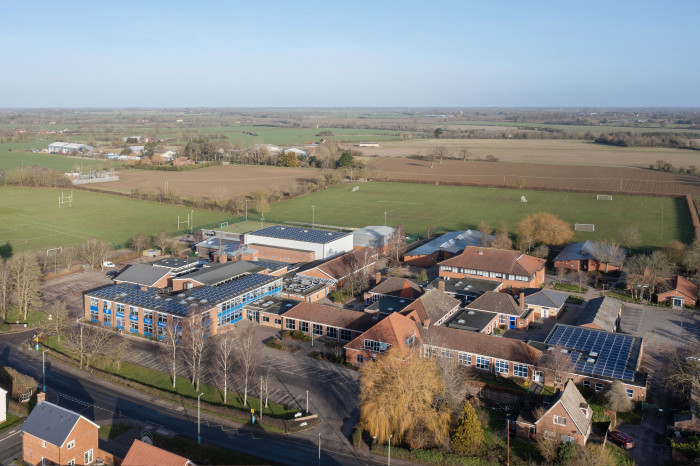
Originally founded in 1751, thanks to a bequest from Thomas Mills who wished 'to further the education of the children in Framlingham', and has operated on several sites and in various guises since then. Current school opened in 1976 with the merger

Pastoral care, inclusivity & discipline
All parents spoke highly about the pastoral care. The head of year and tutor stay with pupils from year 7-11 so know them well and are the first port of call. External counsellors if needed. Pupil mentoring by year 13 for year 7. It all seems to

Mobile phone policy
A clear mobile phone policy is a really important part of modern schooling. This school has provided us with their policy.
Mobile phone policy
 Provided by the school and not part of our review
 Since September 2024, the school site and buildings have been a phone-free space. Any mobile devices must be kept securely and lockers are available. Students in years 7 to 11 cannot have phones with them. Where a phone is seen (including in pockets), a detention will be given, the phone confiscated, and collection is from the school office by a parent during office hours. Phones are allowed for travel to and from school.

Pupils & parents
A third of pupils live in Framlingham, the rest from further afield. Many are second and third generation. Still pretty rural, but influx of London families moving to the area adds a bit of spice and helps broaden outlook. Proactive parents,

The last word
An inspirational head with bundles of energy and a pragmatic approach really does make Thomas Mills ‘a centre of excellence.’ There’s a buzz about the place and it’s one of those schools that has a good feel when you walk in. Every child, be they the

Inspection reports
Ofsted reports
Full inspection: Good
You can read full reports on the Ofsted website
| Personal development | Good |
|---|---|
| Quality of education | Good |
| Behaviour and attitudes | Good |
| Leadership and management | Good |
| Sixth form provision | Good |
Full inspection: Inadequate
| Personal development | Good |
|---|---|
| Quality of education | Good |
| Behaviour and attitudes | Requires improvement |
| Leadership and management | Inadequate |
| Sixth form provision | Good |