

 Ages
Ages 


Riding experience is not necessary but engagement with horses is essential at this unique and meticulously run college. Students learn through the horses, which need taking care of every day, that they also need to take similar care of themselves, with personal care, healthy food and exercise. By doing so their confidence and abilities increase as does their independence.

Why read our school review?
Unlike other websites, schools can't pay to be included in The Good Schools Guide. This means our review of this school is independent, critical and fair, and written with parents' best interests at heart.
Unlock to access

Overview & data
- Notes
- Pupils aged from 16 to 25 with learning difficulties, autism, mild physical disabilities and mental health needs.
- Pupil numbers
- 30 ·
- Offers boarding
- Yes ·
- Religion
- Christian
- Local authority
- Hampshire County Council
- SEN provision
- · ASD

Headteacher
Assistant Principal
Suzi Barnett
Since 2023, Suzi Barnett acting principal, in the absence of principal Jane Delves. Started at the college in 2010, having been a horse-trainer, breaking in horses in Spain where she also taught English as a foreign language (TEFL). Started in

Entrance
Essential that students are sufficiently motivated by horses to learn the transferable skills taught. Arriving from eight local authorities, Hampshire the largest intake, young people usually having been in specialist settings or out of school with
- Open days
- Spring and Autumn and all year individual tour

Exit
The principal related, ‘Our young people need to work towards not going home to the “hotel of Mum and Dad”’ – parents recall how they gasped on hearing this for the first time but had the next few years to digest.
Work experience from the summer

Latest results
We do not publish results data for special schools. Find out more.

Teaching & learning
A specialist independent college for 16 to 25 year-olds based on an Equine Facilitated Education and Therapy model. A majority of students are on the autistic spectrum, with ADHD, Prader-Willi syndrome, epilepsy, diabetes, demand-avoidance, plus

Learning support & SEN
For students unable to thrive in traditional classrooms, here they learn independence, communication, literacy and numeracy through horses, then transfer these skills to their own lives. A working day starts at the main Avon Tyrell site with clear
Arts & extracurricular
In-house activities include arts and crafts and further equine studies.
Extracurricular activities include walks and cycles in the New Forest, swimming, gym, movies, cooking and the beach. A parent describes how at a previous college their child

Sport
Off-site sporting activities vary with the time of year and student interest, regularly including the gym, swimming, cycling, zumba and boxercise.

Boarders
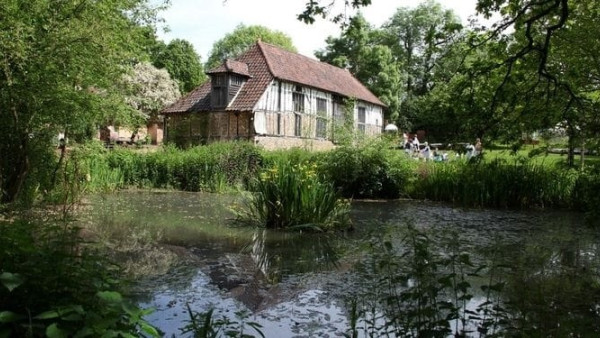
Five or six day-students but the majority board. More girls but always some boys and being in a minority not thought a problem by one who said having horses in common eases socialising. Main boarding at Wootten Hall Farm, a college minibus-ride away

Ethos & heritage
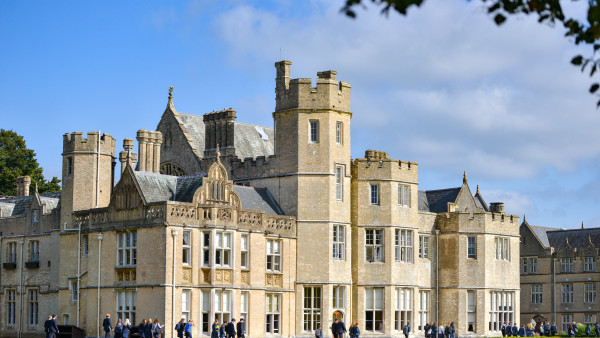
In the New Forest with ponies grazing all around. Started in 1976 by teacher and a group of friends with an equine and Riding for the Disabled background then developed into the Fortune Centre of Riding Therapy, now an ofsted and CQC-regulated,

Therapy & staffing
Speech and language therapy provided two days per week, physiotherapy weekly, occupational therapy each half-term when the therapist sets and monitors programmes that staff embed throughout the days – indeed one parent remarked their son doesn’t

Pastoral care, inclusivity & discipline
Social media policy means no phone use in the yards plus college has a filter which includes an alert service if access is made to unsafe sites; useful to learn here with 26 horses and 88 staff on hand. A family mentioned how the horses were used to

Pupils & parents
Students eating their lunch overlooking the indoor arena were naming and describing the characters of each of the horses being worked – we assumed them to be third-years from their comprehensive knowledge but they’d been there only

Money matters
Central government ESFA funding and Element 3 high needs funding though the LA for students with Education Health and Care Plans.

The last word
Riding experience is not necessary but engagement with horses is essential at this unique and meticulously run college. Students learn through the horses, which need taking care of every day, that they also need to take similar care of themselves,